All articles
Newest first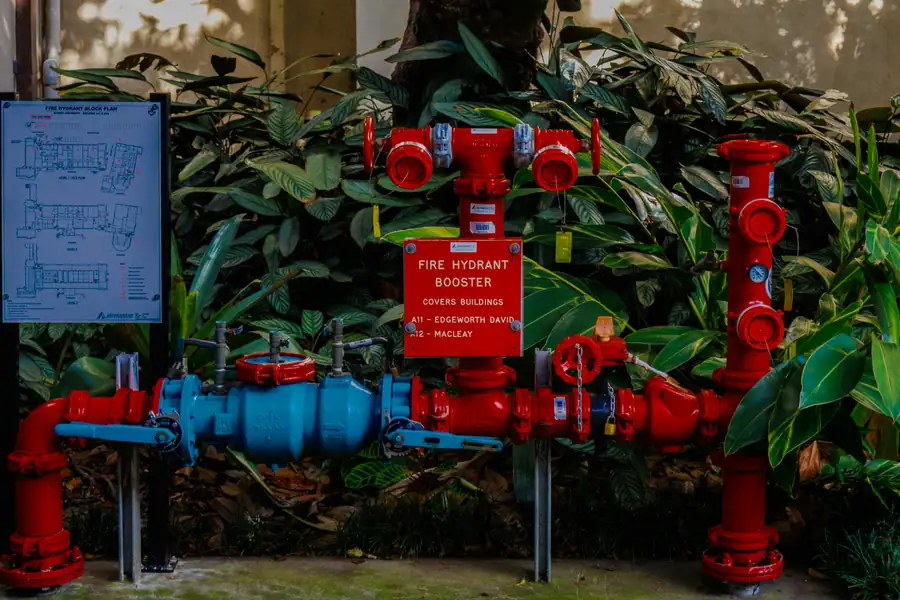
Fire protection: designing for the hazard, not the catalogue
A fire system can satisfy a drawing review and still fail on the day it is needed. The gap almost always opens at the same place — the design started from a product list instead of from the thing that can actually burn.
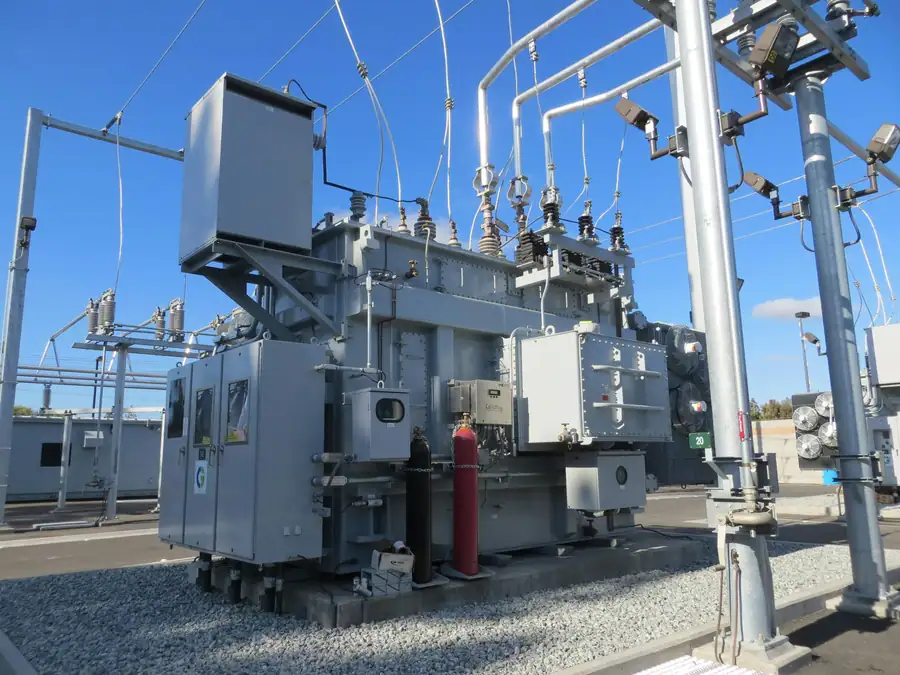
Electrical preventive maintenance that actually prevents failures
Most switchgear failures announce themselves months in advance — as a temperature rise, a resistance trend, a partial discharge signature. The engineering question is not whether the warning exists. It is whether anyone is listening.

What separates a sound fabrication package from a costly one
Two fabricators can quote the same tonnage of the same grade and deliver very different things. The difference is almost never the steel. It is the traceability, the welding qualification, the fit-up and the coating — the parts that are hardest to see in a price comparison.

Why industrial concrete fails on the Indian coast — and how to repair it properly
Spalling concrete is a symptom, not the disease. Patch the symptom without diagnosing the cause and you will be back within a few years — frequently with more damage than you started with, and sometimes because of the repair itself.
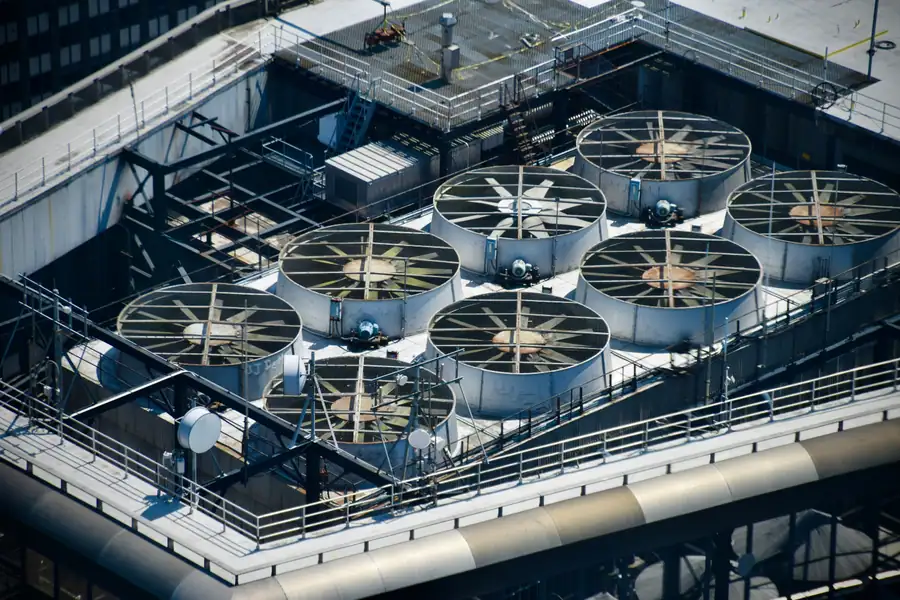
Cooling tower retrofit: repair, retrofit or replace?
When an industrial cooling tower stops holding its design approach, the real question is rarely "can we fix it?" — it is "what is the lowest lifecycle cost path back to reliable performance?" Here is a practical way to frame that decision.
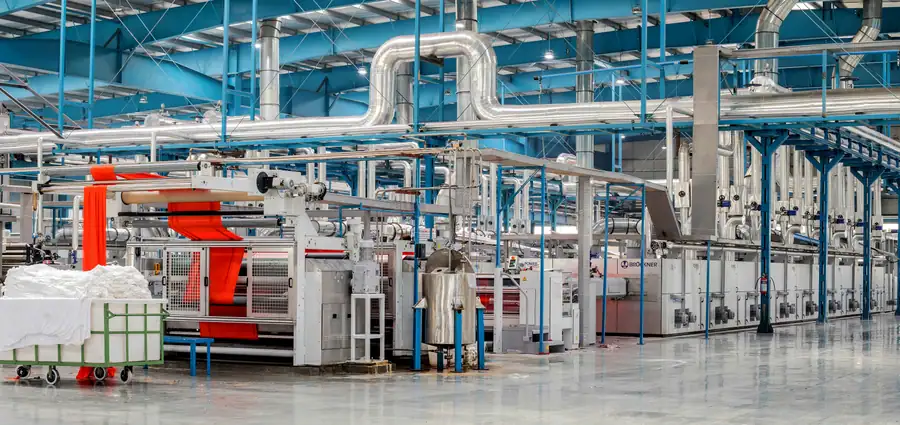
MES & Industry 4.0 for Indian plants
Most plants already have an ERP and plenty of PLCs. The value gap sits in between — in the real-time layer that turns shop-floor signals into decisions. That layer is what a Manufacturing Execution System provides, and it is where Industry 4.0 starts to pay.